Discover
We collect workflows, current software details, sample documents, reporting needs, approval rules, and user roles before deciding the final scope.
Fast, mobile-responsive Odoo websites with custom QWeb templates, clean SCSS, optimized WebP images, SEO structure, and CRM-ready lead capture.
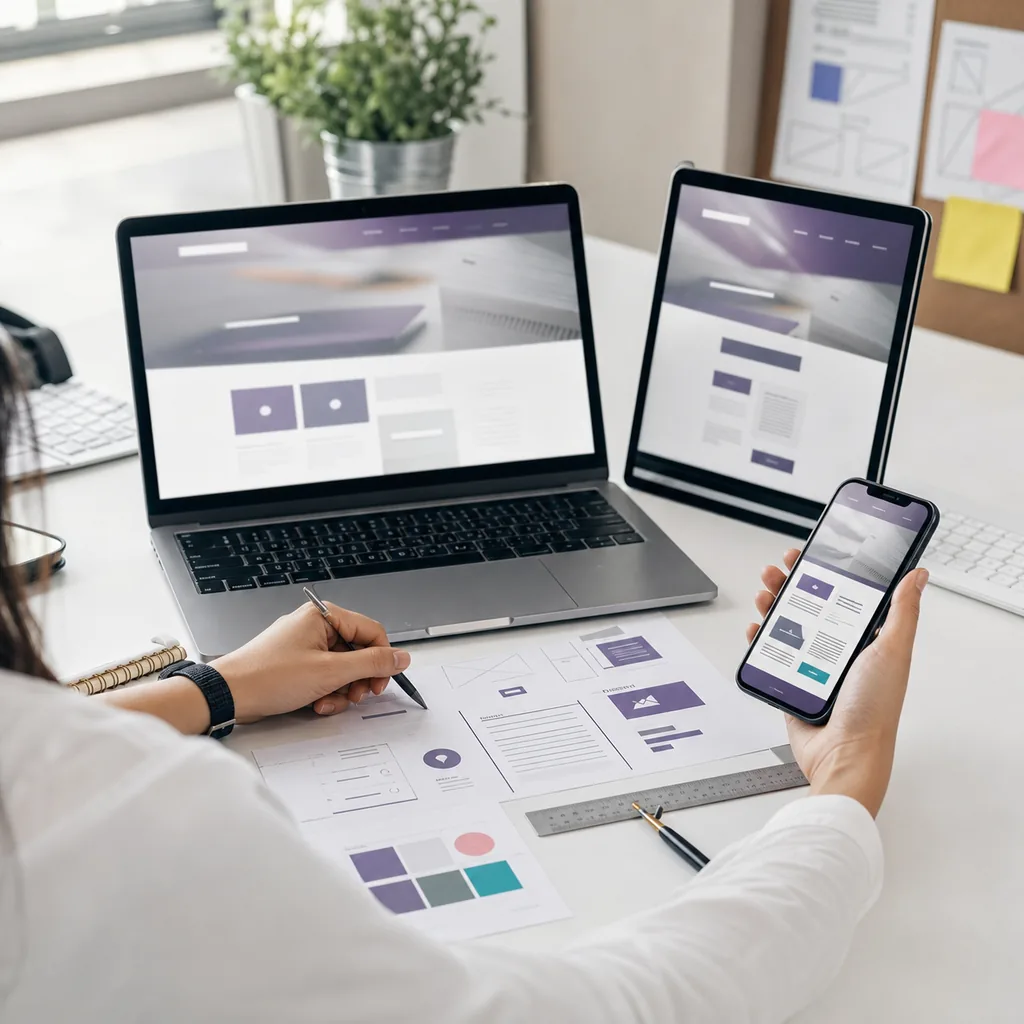
Odoo websites perform best when the frontend is kept lean. We build custom website pages with semantic templates, scoped SCSS, optimized assets, responsive spacing, clear headings, structured metadata, and touch-friendly forms so visitors can move through the site without slow loading or layout shifts.
The website remains connected to Odoo forms, CRM, menus, header, footer, and website editor behavior. We use WebP images, lazy loading where appropriate, clean navigation, and reusable sections so future pages can be expanded without adding unnecessary frontend weight.
You receive an Odoo website that represents your brand clearly, works smoothly on mobile, captures inquiries, and avoids heavy frontend code.
Lean templates, optimized images, and smaller frontend assets improve Core Web Vitals.
Navigation, buttons, forms, and content blocks are built for practical phone usage.
Reusable sections make it easier to add service, industry, and landing pages later.
Every assignment follows a clear delivery rhythm so your team understands what will be reviewed, configured, tested, documented, and launched.
We collect workflows, current software details, sample documents, reporting needs, approval rules, and user roles before deciding the final scope.
We set up standard Odoo apps first, then add the required custom work only where it is clearly needed.
We test with real data, real users, real approval paths, and realistic edge cases so the system is ready for daily business operations.
We prepare handover notes, train users, support go-live, monitor early issues, and plan future improvements after the first usage cycle.
Depending on your requirement, we connect this service with the relevant Odoo apps, business records, and custom apps that matter most to your company.
We also review the related business outputs connected to the requirement so users get a complete workflow instead of an isolated feature.
Customers trust ERP delivery when they can see what is being reviewed, configured, tested, and documented. We keep each service transparent from first discussion to post-launch support.
We confirm the workflow with sample records, documents, approvals, reports, and user roles before treating the service as ready for daily use.
Custom modules, data imports, automated actions, access rules, and integrations are reviewed for maintainability, speed, and future migration impact.
We prepare handover notes, testing references, launch checks, and support priorities so your team knows what was delivered and how to request changes later.
The right answers depend on your project context. These questions help us prepare a practical scope instead of a generic estimate.
We usually ask for your current setup, main requirement, and launch constraints so we can understand the scope clearly.
Not always. We review standard Odoo configuration first. Custom code is recommended only when the requirement cannot be delivered cleanly with standard features.
We use staging review, test records, user acceptance testing, access checks, data validation, backup planning, and launch support so issues are caught before production work is affected.
Yes. We can provide functional support, bug fixing, improvements, performance checks, report adjustments, integration monitoring, and future migration planning after the initial delivery.
No generic proposals. We listen to your workflow, understand the gaps, and respond with a realistic scope and timeline you can trust.
Request Odoo Consultation